Cruise ships are often described as floating cities, but when it comes to healthcare, they are more like remote islands. While the luxury and scale of modern vessels are impressive, the medical realities at sea are fraught with unique risks that many passengers don't consider until they are in the middle of the ocean.
For those with chronic conditions, the difference between a minor setback and a life-threatening crisis often comes down to one thing: access to information.
The Hidden Risks of Healthcare at Sea
While most cruise lines staff their infirmaries with licensed doctors and nurses, these facilities are fundamentally different from land-based hospitals.
Limited Specialised Resources
Cruise infirmaries are designed for stabilisation, not long-term intensive care. They often lack advanced imaging (like CT scans or MRIs), specialised trauma equipment, and blood banks. If you have a complex condition—such as a rare cardiac issue or a neurological disorder—the onboard team may not have the tools to fully diagnose or treat a sudden flare-up.
The Connectivity Gap
In an era of cloud-based medical records, we take for granted that our data is always a click away. However, at sea, satellite internet can be notoriously slow, expensive, or entirely non-existent during storms or in remote regions like the Arctic or the South Pacific. If a ship's doctor needs to see your recent lab results or surgical history to treat you safely, they cannot always wait for a 500MB file to download over a shaky satellite link.
Evacuation Logistics
When a condition exceeds the ship's capabilities, the only option is medical evacuation. This is a high-stakes, high-cost operation—often involving helicopters or specialised boats. Deciding whether to evacuate is a critical medical judgment. Without your full history, a ship's doctor might misinterpret symptoms (e.g., mistaking a known side effect of your medication for a new, urgent infection), leading to an unnecessary—or dangerously delayed—evacuation.
Why an Offline Medical Record is Your Lifeline
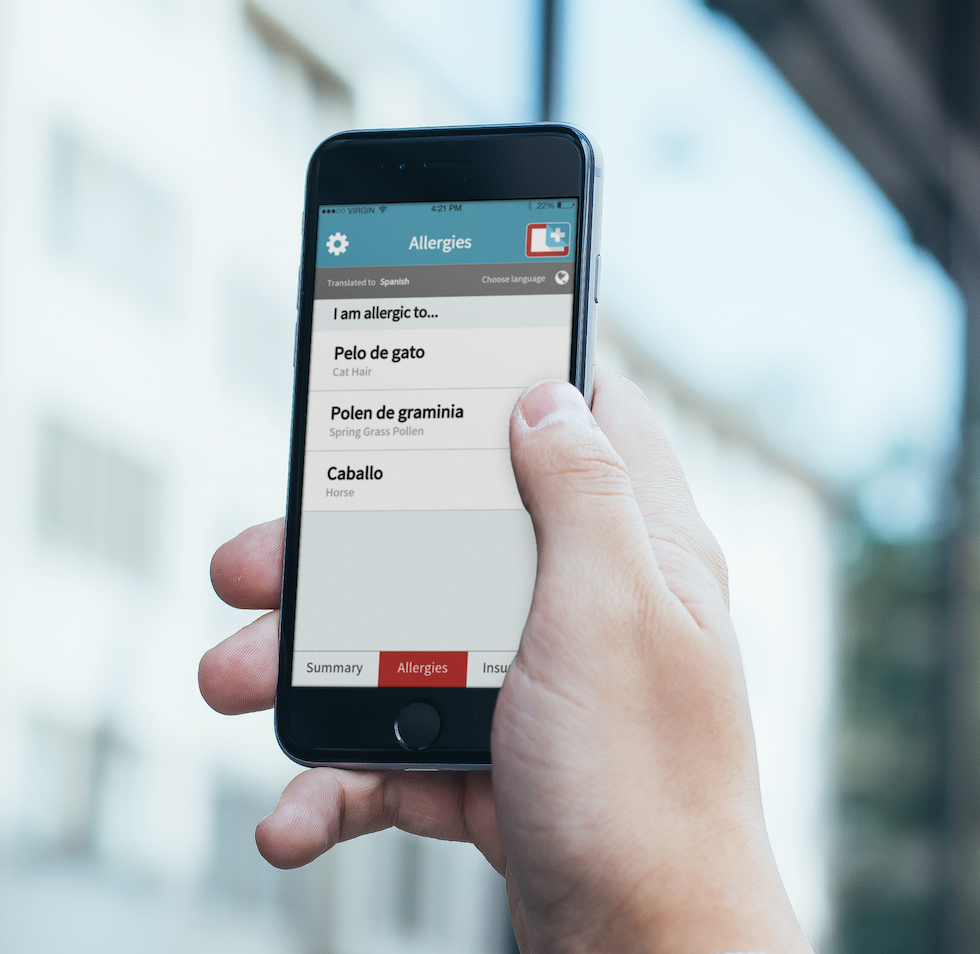
An offline medical record, like the World Medical Card (WMC), solves the information vacuum that occurs when you leave the shore.
Universal Language (WHO Coding)
In an emergency, every second counts. If you are unconscious or too ill to speak, the WMC uses standardised ICD-11 (diagnoses) and ATC (medications) codes. These codes allow a doctor—regardless of whether they were trained in London, Manila, or Miami—to understand your health status instantly without needing a translator.
Zero-Dependency Access
Because the card is physical (with a digital backup), it does not require:
- Wi-Fi or Data: The core code summary is printed right on the card.
- Battery Power: Unlike your phone, a card won't die in the middle of an emergency.
- Passwords: While secure, the card provides an emergency access code that allows medical staff to view your full profile if you are incapacitated.
Informed Tendering and Shore Excursions
Risks aren't just on the ship. Many injuries occur during "tendering" (transferring from the ship to smaller boats) or during shore excursions in developing countries, where local clinics may have even fewer resources than the ship's medical facilities. Having your records physically on your person ensures that if you are injured in a remote port, the local paramedics have the data they need to treat you without accidentally causing a drug interaction.
A cruise should be a time of relaxation, not a gamble with your health. By carrying an offline, universally understood medical record, you bridge the gap between the ship’s infirmary and your doctor back home. You ensure that no matter how far you are from a land-based hospital, your medical history stays with you with the World Medical Card membership.
Find out more HERE.